
85%.
92%.
25 million.
Those aren’t projections.
They’re 2026 realities.
Three different sources. One clear conclusion:
Cash still matters.
And the systems behind it matter even more.
Yet even now, the payments conversation is framed as cash vs. digital. That framing misses the point entirely. This isn’t about preference or habit. It’s about resilience, access, and whether the system actually works when it’s tested.
I’ve seen it personally.
When Systems Fail, Cash Shows Up
I’m based in Florida, which means hurricane season is a fact of life. And every year, like clockwork, digital systems go down. Power outages. Network failures. Payment terminals offline.
When that happens, cash isn’t a backup. It becomes the only option.
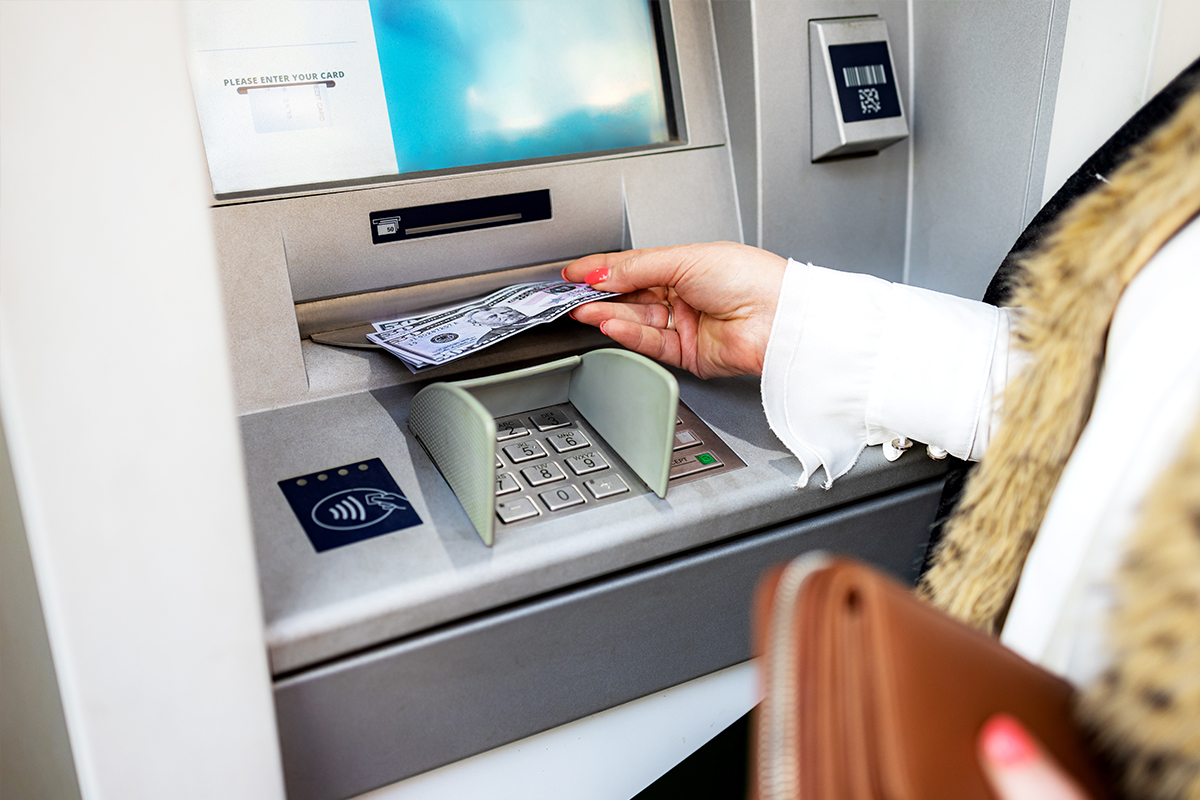
During major storms, our ATM network effectively turns into essential infrastructure. We’ve worked directly with local banks and even local governments to deploy temporary mobile ATMs so communities can function. People need gas. They need food. They need medicine. And in those moments, digital payments don’t matter if the system behind them isn’t working.
Cash does.
That reality shapes how I think about the future of payments. The question isn’t whether digital innovation will continue. It will. The real question is whether we’re building systems with enough redundancy to hold up when conditions aren’t perfect.
85%: Americans Want Cash to Remain an Option
According to research from the Siena Research Institute and the Payment Choice Coalition, more than 85% of Americans support laws that require businesses to accept cash. Just as telling, a similar majority says they don’t want to live in a fully cashless society.
That’s a strong signal, and it cuts across political parties, regions, and demographics.
People aren’t rejecting innovation. They’re asking for choice. And they want confidence that access won’t disappear as payment methods evolve.
92%: Cash Usage Isn’t Going Anywhere
The data backs this up with real-world behavior.
In its Diary of Consumer Payment Choice, the Federal Reserve reports that 92% of respondents say they have no plans to stop using cash.
That’s not a projection. That’s how people are actually living today.
Yes, digital payments have grown. But cash usage has remained remarkably stable. That matters when we’re making long-term decisions about infrastructure, regulation, and investment. Systems don’t get more resilient by ignoring how people actually transact.
25 Million: Access Is Still a Reality for Millions
Then there’s the inclusion side of the conversation.
The FDIC continues to report that roughly 25 million Americans are unbanked or underbanked.
I’ll never forget one ATM install early in my career. It was in an inner-city convenience store in South Florida. While we were setting up the machine, a woman came up to me visibly upset. I asked if something was wrong.
She was crying, but they were tears of relief.
She told me she had five kids and normally had to walk to a bus stop and ride two stops just to get access to an ATM so she could pull out cash to buy food that day. Having an ATM in her neighborhood changed everything for her in that moment.
That interaction has always stayed with me.
This business isn’t just about transactions or margins. It’s about access. It’s about impact. And it’s about being part of something bigger than yourself.
For many households, cash isn’t a preference – it’s a necessity. Seniors, rural communities, lower-income households, and people facing real barriers to digital-only systems feel the loss of cash access first. That’s not theoretical. It’s happening in real communities, right now.
Cash Isn’t a Preference. It’s Infrastructure.
When you put these numbers together, something becomes very clear:
Cash isn’t just a payment method.
It’s part of the country’s financial infrastructure.
It matters most during:
- Power outages
- Network disruptions
- Natural disasters
- Cyber incidents
In those moments, redundancy matters. Systems that only work under ideal conditions aren’t resilient systems.
That’s why cash continues to appear in emergency preparedness guidance. And it’s why policymakers at every level keep revisiting cash acceptance requirements.
What This Means Heading Into 2026
None of this means progress should slow down. Innovation isn’t the problem.
The real question is whether we’re building systems that actually hold up.
For operators, financial institutions, policymakers, and industry leaders, that means asking better questions:
- Are our systems scalable without being fragile?
- Is access protected alongside innovation?
- Are we building for efficiency and resilience?
Those questions matter even more as the industry enters a period of consolidation, growth, and generational transition.
A Clear Direction
The data is consistent. The message is clear.
Americans want:
- Reliable access
- Real choice
- Systems that work when it matters most
As we move into 2026, the conversation around cash doesn’t need to be ideological. It needs to be practical.
Strong infrastructure isn’t about resisting change.
It’s about making sure the system works for everyone, not just when conditions are perfect.
That’s the lens we should be using as we think about the future of payments.